Turnkey Renovation Roadmaps: From Vision to Move-In


Today we explore Turnkey Renovation Roadmaps, spotlighting how a clear, staged plan transforms stressful remodels into confident, predictable journeys. You will see how discovery, design, permits, procurement, and quality checks align into one coherent path, reducing uncertainty, controlling costs, and protecting your creative intent from the first sketch to the final walk-through. Share your questions as you read, because your unique constraints and goals deserve a roadmap that truly works for your home and life.

Stakeholder Interviews That Surface Real Needs

Skip the generic wishlist and listen for lifestyle patterns, daily pain points, and future plans. Interviews with everyone who lives in or uses the space reveal storage gaps, acoustics issues, lighting frustrations, and accessibility concerns. When Elena renovated her 1960s apartment, a 15‑minute conversation about morning routines led to a power outlet layout that saved endless hassle. Capture the little rituals, then translate them into measurable requirements, so the design honors real life rather than Pinterest boards alone.

Budget Bands, Contingency, and Decision Gates

Set budget bands early, not a single rigid number. Align scope with baseline, stretch, and aspirational levels, and attach a contingency that reflects project complexity and risk profile. Establish decision gates where the team reassesses spend against value and lead times, preventing runaway change orders. A clear rule such as “no finish upgrades after plumbing rough‑in” protects schedule and cost. When a vendor offers a tempting upgrade, your roadmap’s guardrails keep choices grounded in your overall value targets.

Measurable Success Criteria and Quality Benchmarks

Define success before design begins: acoustics under a set decibel target, lighting at specific lux levels, storage capacity improvements, airtightness goals, or water pressure performance. Quality benchmarks prevent vague arguments later and guide inspections at each milestone. A small checklist—tile lippage tolerance, paint sheen consistency, door reveal uniformity—turns subjective preferences into objective pass‑fail standards. This clarity helps contractors price accurately, empowers designers to specify appropriately, and gives you a calm, evidence‑based way to approve or reject work.

Permit Timeline Backward Planning

Start with your desired move‑in date, then plan backward through inspections, rough‑ins, approvals, and submittals. Note agency lead times, seasonal slowdowns, and holidays that stall reviews. A simple Gantt with hold points around electrical inspections or energy compliance checks prevents surprises. When a city posts average turnaround at three weeks, plan for five. Build alternate tasks for waiting periods, like off‑site cabinet finishing or fixture procurement, so momentum continues while papers move through official channels.

Code Compliance Without Compromising Design

Great spaces satisfy code and feel inspiring. Early collaboration between designer, engineer, and permit expediter allows creative solutions that preserve design intent while meeting egress, ventilation, and fire‑rating requirements. For example, a recessed LED plan can satisfy illumination standards without glare; a pocket door with rated hardware may meet clearance constraints. Document compliance right on drawings, so inspectors see alignment instantly. Clear evidence reduces rejections, accelerates sign‑offs, and spares you redesign panic when timelines are tight.

From Moodboards to Measurable Specifications
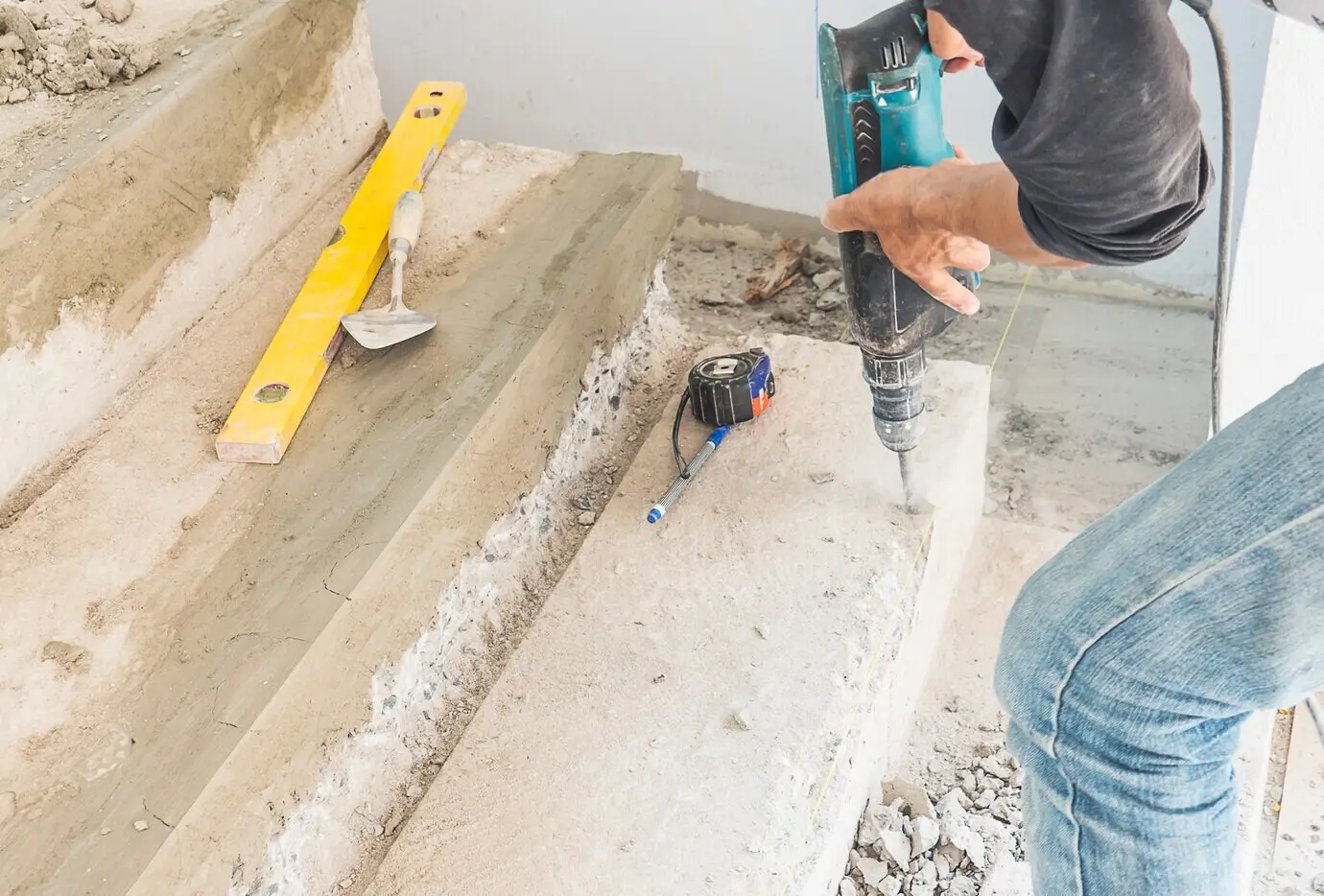
Convert aesthetics into numbers: reflectance values, color temperatures, slip resistance, VOC thresholds, cabinet hardware pull strength, grout joint widths, and substrate prep standards. When a marble look is desired, list accepted veining patterns, finish type, and sealing protocol. For lighting, define dimming curves and control zones, not just fixture styles. This precision lets vendors price correctly, installers execute confidently, and you approve submittals quickly. The result is consistent quality that looks effortless but is rigorously detailed beneath the surface.

Value Engineering That Preserves Experience

Cut cost without cutting soul by targeting invisible layers first: substrates, assemblies, or alternate suppliers with equivalent performance. Keep touch points—handles, faucets, countertops—at your desired quality because you feel them daily. For example, swap a hidden cabinet carcass material while maintaining the high‑durability worktop. Always compare life‑cycle costs, not just purchase price. A roadmap establishes thresholds where substitutions are allowed, lists pre‑approved alternates, and documents visual tolerances, ensuring your home feels intentional even when budgets evolve.

Documentation Pack That Prevents Change‑Order Chaos

Bundle everything installers need: coordinated plans, elevations, details, reflected ceiling plans, finish schedules, door and window schedules, and specification sheets indexed to drawing callouts. Include cut sheets, samples approvals, and mock‑up photos with acceptance criteria. A good pack answers questions before they become RFIs. When trades open the set, there should be one authoritative source of truth. Fewer ambiguities mean fewer delays and cleaner invoices. Your roadmap treats documentation like insurance, quietly protecting schedule, cost, and the final feel of your home.

Critical Path That Respects Lead Times

Call out items with notorious delays—custom windows, electrical panels, specialty tiles, stone slabs, and engineered flooring—and lock orders early. Protect the critical path with float around inspection milestones and weather‑sensitive work. Tie procurement milestones to design approvals to avoid idle time. When a supplier quotes twelve to sixteen weeks, plan for the long side and confirm ship dates in writing. A visible sequence keeps everyone honest, aligns expectations, and gives you credible answers when friends ask, “When will it be done?”

Supplier Vetting and Contracts With Teeth

Select vendors on performance, not just price. Check references, visit recent installations, and review warranty terms and service response times. Contracts should define submittal deadlines, delivery windows, packaging standards, and penalties for late or damaged goods. Include substitution rules, so no one swaps specifications without approval. When issues arise, escalation paths and remedies already exist. Strong agreements create healthy partnerships, enabling candid communication and timely solutions rather than finger‑pointing when schedule pressure peaks and the site is running hot.

Execution Excellence: Site Management and Quality Control

Once construction begins, disciplined routines keep quality and momentum consistent. Daily huddles align tasks, visual boards expose blockers, and clear escalation paths resolve issues before they metastasize. Inspectors, client reps, and trades understand when to pause at hold points for checks. Defect logs are addressed promptly, not buried. The roadmap turns a messy process into a transparent, accountable rhythm, where craftsmanship thrives and surprises are contained. You feel progress not as noise, but as steady, measurable movement toward a beautiful finish.

Daily Huddles, Visual Boards, and Issue Tracking
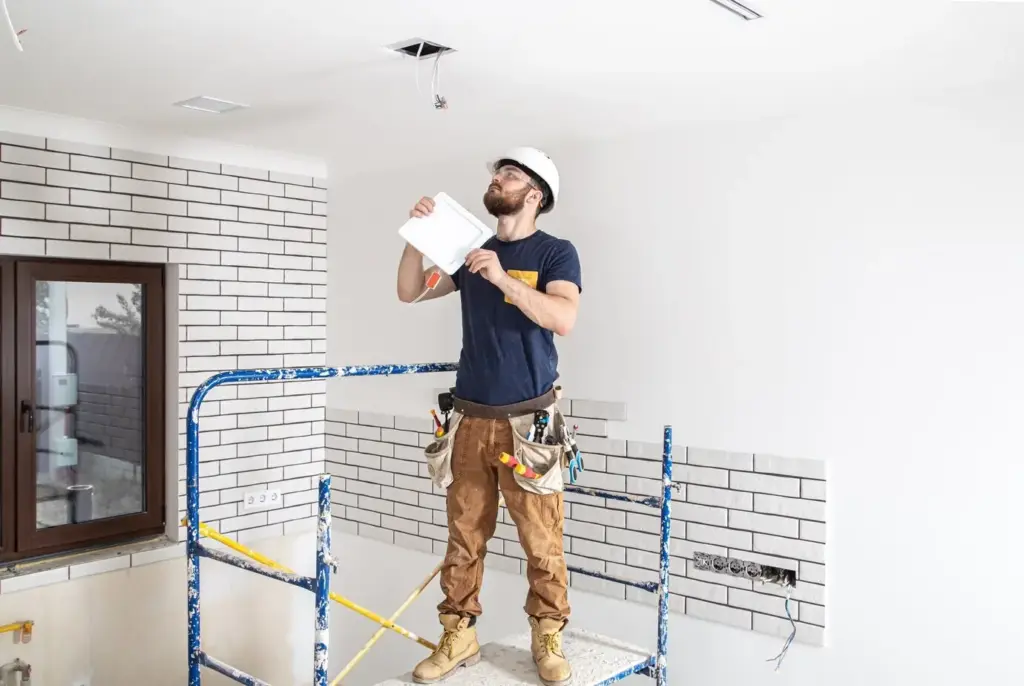
Fifteen minutes every morning saves hours later. Crews review goals, hazards, dependencies, and material status against a visible board. New issues get IDs and owners, with due dates and photos. When a wall is out of plumb, it is logged, assigned, and tracked to closure. Transparency discourages blame and encourages solutions. You can walk onto site, glance at the board, and know exactly where things stand. This simple ritual turns complex builds into manageable, predictable workflows everyone can trust.

Inspections, Hold Points, and Defect Lists

Define hold points before closing walls or sealing finishes: waterproofing flood tests, insulation inspections, electrical rough checks, tile layout approvals. Each checkpoint has criteria and sign‑off authority. Defects are logged with photos, locations, and fix instructions, then verified after repair. This discipline stops small mistakes from being entombed behind drywall or embedded beneath stone. In one townhouse project, a scheduled flood test revealed a pinhole leak and prevented months of headaches. Quality lives in the pauses, not just the push.

Change Management That Protects Scope

Change is inevitable; chaos is optional. A clear process captures every requested adjustment with cost, schedule impact, and alternatives before approval. Urgent does not mean unvetted. Weekly reviews prevent quiet drift that erodes budgets. When a better faucet appears on sale, the roadmap tests compatibility with valves, lead time, and warranties first. You keep control and transparency, turning spontaneous ideas into informed decisions. The result is a project that welcomes improvement without losing its original promise or financial footing.

Handover, Aftercare, and Lessons Learned

A turnkey renovation ends with confidence only when handover is thoughtful and complete. Commissioning verifies performance, orientation sessions teach maintenance, and a digital vault stores warranties, manuals, colors, and contacts. A final clean and cosmetic pass ensures photos shine and guests smile. Aftercare commitments reduce anxiety during the first months, while a structured retrospective distills lessons for future upgrades. Share what worked and what surprised you; your insights help others, and our next roadmap gets even better together.

Commissioning and Performance Verification

Treat your home like a finely tuned system. Test HVAC airflow, balance zones, check water pressure and temperature limits, calibrate dimmers, and verify GFCI protection and appliance functions. Run a punch‑list walk with blue tape and measure acoustics if sound control mattered. When numbers match design targets, confidence rises. Commissioning transforms handover from guesswork to proof, giving you documented assurance that what you paid for is operating as intended, ready for the routines and celebrations that make a house feel alive.

Client Orientation and Documentation Vault

Spend time learning the space: shutoff locations, filter schedules, cleaning methods for each finish, and how to use that clever ventilation boost mode. Receive a digital vault with manuals, warranties, paint formulas, fixture lists, and contact protocols for support. Record a quick video tour for future reference. A little training prevents accidental damage and eliminates panicked calls later. Confidence during the first month is priceless, and clear instructions turn unfamiliar systems into friendly tools that quietly serve daily life.

Ellerysbookshelf
Privacy Overview

This website uses cookies so that we can provide you with the best user experience possible. Cookie information is stored in your browser and performs functions such as recognising you when you return to our website and helping our team to understand which sections of the website you find most interesting and useful.