Renovate Without Moving Out: The Phasing Roadmap
Today we dive into the Living-in-Place Renovation Phasing Roadmap, a practical way to sequence construction while protecting comfort, routines, and relationships. We will map phases, schedule noisy tasks, and safeguard air quality so your household thrives during upgrades. Expect stories, checklists, and tactics you can apply immediately. Share your questions and subscribe for weekly field-tested insights and supportive community feedback.

Plan the Journey Before the First Hammer Swing
Successful living-through-renovation begins with a clear sequence, realistic calendar, and honest assessment of daily needs. Identify which rooms can go offline, how long each phase lasts, and which comfort priorities are nonnegotiable. Align school calendars, holidays, and weather windows with the construction rhythm. Document decisions, stakes, and backup options. If you have tricks that helped your family, comment below and help others plan smarter.
Carve Out Livable Zones and Safe Pathways

A Temporary Kitchen That Works
Build a practical mini-kitchen with an induction burner, microwave, electric kettle, and compact fridge, plus a dishwashing plan using a laundry sink or utility tub. Store essentials in rolling carts labeled by meal type. Choose easy-clean surfaces, batch-prep menus, and plug-in air purifiers to manage odors. Families who test their setup a week early catch problems sooner. Share your best temporary pantry hacks for busy mornings.

Sleeping Soundly Near a Worksite
Design a sleep sanctuary by layering dust barriers, weatherstripping doors, and placing a HEPA purifier near the bed. Schedule loud tasks while kids are at school and use white-noise machines to hide ambient sounds. Keep a clean-bedding tote sealed during the day. A short evening reset routine restores calm. If a trick dramatically improved your sleep during construction, tell us and help a tired neighbor.
Entries, Egress, and Clear Wayfinding
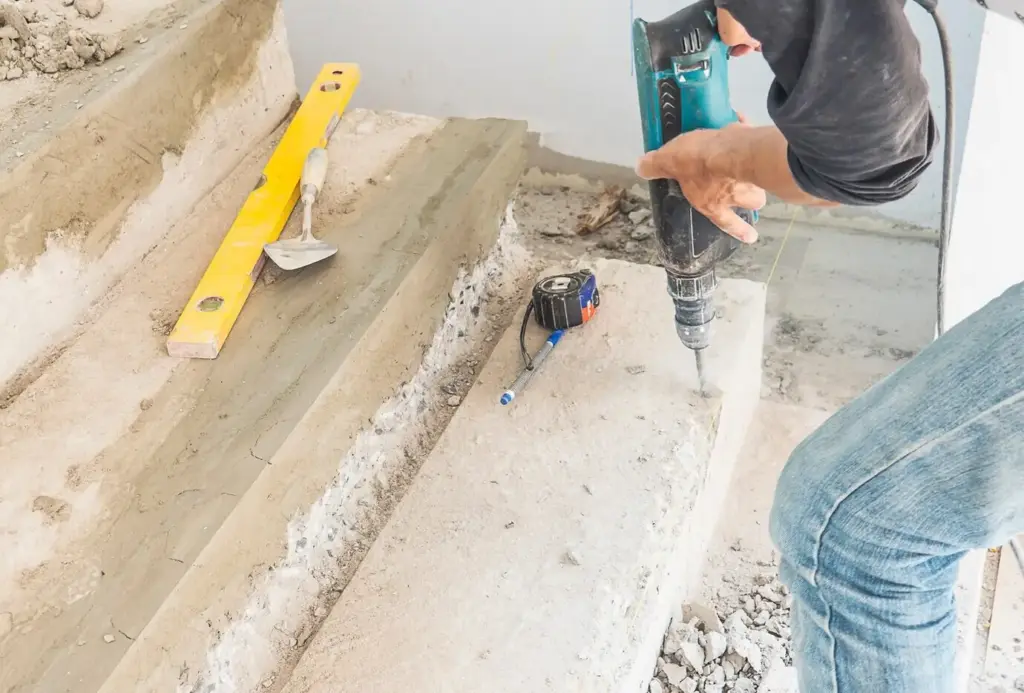
Plan safe entries and emergency egress, keeping at least two unobstructed routes at all times. Add motion lights, non-slip mats, and bright markers for steps, cords, and uneven thresholds. Place shoe scrubbers and sticky mats at transitions to reduce dust. Post a simple route map by the door for visitors and delivery drivers. Share photos of your wayfinding ideas to inspire safer daily routines.
Dust Is the Enemy, Control It Like a Pro
Seal zones with zipper barriers and tape seams meticulously. Run negative air machines vented outside and install MERV-13 or higher filters. Require HEPA vacuums for cleanup, not brooms that loft dust. Protect supply vents and return grilles. Maintain a daily dust log and adjust tactics quickly. Readers love gear comparisons—share your favorite air scrubber brand, filter change intervals, and setup pics for community feedback.
Quiet Hours and Neighborly Courtesy
Publish a noise calendar that clusters hammering, coring, and sawing into predictable blocks, preserving quiet mornings or evenings. Provide neighbors notice before exceptionally loud tasks, and offer a contact number. Inside, schedule concentration windows for work or homework. Soft-close totes and felt pads tame incidental sounds. Respect transforms frustration into goodwill. Tell us how you negotiated noise windows successfully with your crew and neighbors.
Sanitation Rituals That Reduce Stress
Create a handwashing station with warm water, soap, and disposable towels at the work zone edge. Add a tool drop area and boot-brush outside the barrier, plus labeled bins for debris. Wipe touchpoints daily and HEPA vacuum traffic routes. Small routines maintain dignity and health, especially with kids or elders at home. Share your cleaning checklist and timing tricks so others can copy your winning rhythm.
Protect Health: Air, Noise, and Cleanliness
Airborne particles, persistent noise, and everyday clutter are the stealth threats that erode patience. Prioritize negative air, filtration, and daily cleanup rituals. Schedule the loudest tasks in predictable windows and communicate them widely. Establish a quiet hour for naps or remote meetings. Small cleanliness wins compound into big emotional relief. Tell us which habit—wiping, vacuuming, or closing doors—made the greatest difference for your household.

Utilities and Routines Stay On
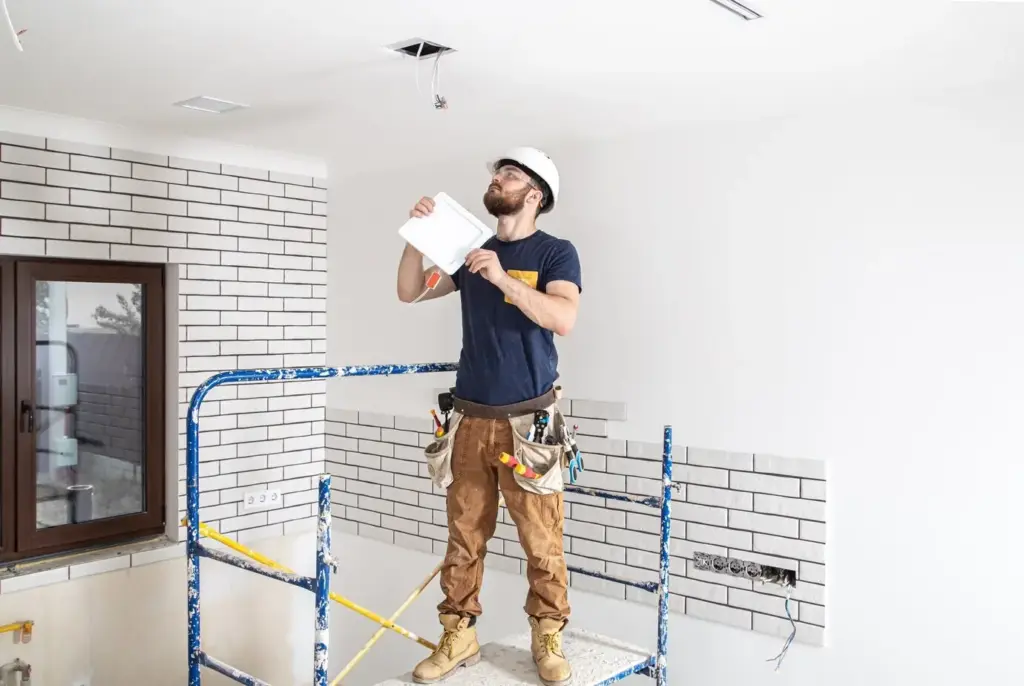
Keep lives running while systems are rerouted by sequencing shutoffs, building temporary services, and communicating exact outages well in advance. Protect equipment from dust and backfeed risks. Provide alternative cooking, bathing, heating, and cooling options during critical switchover windows. Clear signage and redundant lighting reduce anxiety after sunset. If a clever workaround saved your day during a utility cutover, describe it to help fellow readers.



Delivery Windows, Storage, and Waste
Schedule deliveries to align with protected zones and available labor, avoiding items idling in living areas. Use a driveway pod, garage bay, or rented rack system for staging. Maintain a debris plan with recycling and daily haul-outs to keep fire exits clear. Label everything already opened. Share your clever storage maps or dumpster coordination strategies so other households keep order while progress accelerates.

Communication Cadence Everyone Can Follow
Hold short weekly standups with a shared agenda: safety notes, upcoming noise, material status, and decisions due. Use a cloud folder for drawings, selections, and photos. A whiteboard kanban in the kitchen keeps families synced. Text alerts the night before disruptions build trust. Readers often trade favorite apps and templates—post yours to help others establish a predictable rhythm that lowers stress and raises professionalism.

Contingency Playbook for Common Surprises
Prewrite responses to mold, knob-and-tube wiring, undersized beams, or delayed windows. Define immediate safety steps, decision-makers, thresholds for pause, and approved alternates. Keep a reserve budget and time buffer per phase. Document lessons learned after each incident. When your project encountered a curveball, what salvaged the schedule or sanity? Tell the story so another homeowner can turn a setback into a smart, swift recovery.