A Practical Roadmap for Risk and Change Control in Complex Renovations

Governance that Holds Under Stress


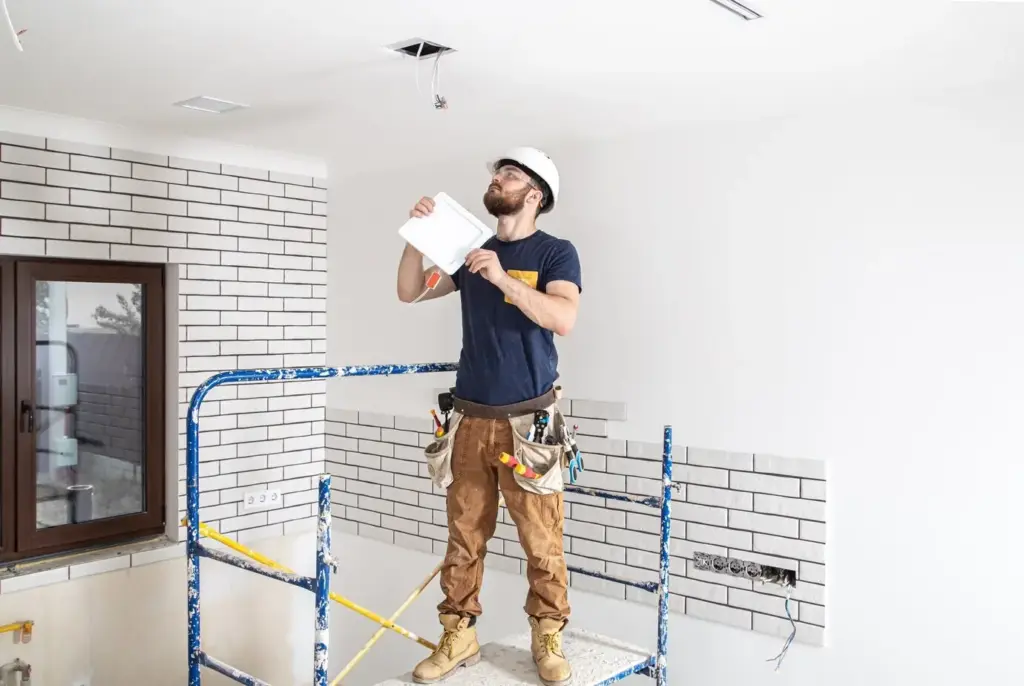



Change Control that Works in the Dust and Noise
From Field Note to Formal Request in One Flow
Equip supervisors to capture annotated photos, location tags, and short voice notes directly into a structured request for change. Auto-populate affected work packages and drawing references to avoid brittle, memory-based reporting. Route instantly to design and cost leads, keeping a clean thread of context. When the board reviews, they see evidence, not opinions. The result is fewer meetings, quicker triage, and decisions that reflect realities crews face at scaffolds, ladders, and temporary partitions every noisy, dusty morning.
Impact Analysis in Hours, Not Days
Adopt a standard, single-page impact analysis that can be produced rapidly: scope summary, affected quantities, schedule fragment with dependencies, cost deltas, safety implications, and operational constraints. Include a short qualitative risk summary with residual exposures. Prebuild templates for common scenarios like utility relocations, slab penetrations, and fire-stopping redesigns. Speed matters, because indecision burns time quietly. By compressing analysis cycles into hours, the project replaces rumor with clarity and keeps trades aligned on what truly changes tomorrow.
Phased Roadmap, Real Checkpoints
Early Hazards: Demolition, Utilities, and Unknowns
Before demolition, walk the site with operations teams and craftspeople who know the building’s quirks. Expect undocumented utilities, brittle materials, asbestos, lead paint, and concealed water ingress. Verify isolation points, mark critical services, and plan negative-pressure containment where needed. Update your risk register with detailed controls and emergency procedures. Early, honest hazard mapping prevents frantic calls when lights go out or alarms trigger unexpectedly, and it gives crews confidence that management takes their safety and schedule seriously.
Stage Gates with Go/No-Go Courage
Write bold, measurable criteria for each gate: design completeness, field verification status, submittal readiness, risk burn-down trajectory, and contingency health. If criteria are not met, adjust sequence, add enabling works, or revisit design clarity instead of pushing blindly. Capture decisions with reasoning, not just signatures, so future teams understand context. This willingness to stop, learn, and reconfigure protects budgets, preserves credibility with occupants, and reinforces a culture where evidence, not wishful thinking, governs difficult, consequential choices.
Commissioning and Handover Risks No One Should Ignore
Late surprises during commissioning undermine months of effort. Define acceptance criteria early, including functional tests, integrated systems testing, and operations training. Build mockups for complex interfaces and rehearse emergency procedures. Maintain a defect log tied to schedule so remediation is planned, not frantic. Provide clear O&M documentation, warranty matrices, and spare parts lists. A thoughtful handover avoids callouts at midnight, protects occupant comfort, and lets facilities teams inherit systems they trust, understand, and can maintain safely.
Numbers that De-Risk Decisions
Monte Carlo without the Jargon
Start with honest ranges for critical activities: demolition, abatement, utility outages, long-lead equipment, inspections, and commissioning. Run simulations to see how slippage in a few tasks reshapes the whole path. Share results visually: percent likelihood to finish by key dates and contingency needed for confidence levels. This reframes debates from hunches to informed tradeoffs. Instead of arguing feelings, the team aligns on acceptable risk, targeted mitigations, and which buffers are truly protecting what matters most.
Leading Indicators, Dashboards, and Heatmaps
Lagging metrics confess too late. Build a dashboard of leading signals: RFIs open beyond ten days, field changes without approved impact assessments, inspection failures, unplanned overtime, and material delivery variance. Map risks by severity and proximity to critical path. Review in weekly huddles with decisions captured immediately. When indicators flash, trigger predefined responses before fires spread. Over time, trends tell a story, proving which mitigations work and which rituals only consume valuable attention without improving outcomes.
Contingency and Reserves with Accountability
Treat contingency as a strategic tool, not a casual piggy bank. Link every draw to a named risk or documented change, with before-and-after exposure shown. Separate project contingency from management reserve and publish balances after each approval cycle. As risks retire, re-forecast what remains. This discipline prevents quiet erosion, supports transparent conversations with owners, and keeps the project funded for the problems it actually faces, not the ones people wish would magically resolve without cost or consequence.
People, Culture, and Communication

Stakeholders Who Feel Heard, Not Handled
Toolbox Talks that Surface the Quiet Risks
Managing Change Fatigue Over Long Schedules
Field Stories: Lessons You Can Steal
Hospital Retrofit: Infection Controls and Noisy Realities
We learned that infection control is not a checkbox. HEPA filtration, negative-pressure barriers, and daily environmental monitoring became non-negotiable. Work windows shrank around surgeries, and change requests required clinical signoff. A rushed ceiling opening triggered alarms, teaching us to rehearse approvals and prebrief nursing leads. Risk reviews shifted to dawn, where operations joined. With disciplined change control, we reduced near misses and protected patients while still hitting major milestones in a building that never truly sleeps.
Heritage Theater: Surprise Steel and Delicate Finishes
During plaster restoration, ground-penetrating radar missed a twisted steel brace hidden behind layered lath. Demolition paused, and a rapid change request aligned structural design, conservation goals, and schedule fragments. Mockups proved a reversible solution using concealed plates. The risk register captured secondary effects on acoustics and firestopping. Weekly gates forced honest reassessment of contingency. By defending the character while solving the surprise, the team preserved history and avoided a cascading series of panicked, regrettable compromises.

Subscribe and Grab the Starter Kit

Share a Hard-Won Lesson