From Keys to Care: Your Post-Renovation Roadmap

Welcome. Today we dive into the handover, maintenance, and warranty roadmap after renovation, turning fresh finishes into lasting comfort and value. Together we will unpack the documents you need, set a practical care schedule, and understand how to activate and protect warranties. Along the way, you will learn from real experiences, avoid avoidable costs, and gain the confidence to communicate with contractors effectively. Save this guide, share your questions, and subscribe for ongoing checklists and reminders tailored to the lifecycle of your newly improved space.

Final Walkthrough Confidence

Before you proudly accept the space, a thorough walkthrough transforms excitement into certainty. A structured approach to snagging captures small imperfections that can become big frustrations. You will check finishes, functionality, safety, and documentation side by side, ensuring nothing is missed. Bring patience, good light, a charged phone for photos, and time to test every door, drawer, fixture, and switch. This careful hour now saves countless hours later, protecting your budget and peace of mind.

Build a Smart Snag List

A great snag list is organized by room, surface, and system, with clear photos, measurements where relevant, and unambiguous descriptions. Note priority and impact, and group similar issues to streamline fixes. Include examples like paint touch-ups, misaligned cabinet doors, and slow drains. Share digitally with date stamps, then request written acknowledgment and a plan with realistic timelines. Keep a calm tone; collaboration speeds resolution and preserves goodwill that matters during the warranty period.

Test, Commission, Verify

Commissioning is the practical proof that systems work together as designed. Run heating and cooling modes, test ventilation speeds, and confirm hot water temperature stability. Open every window, check locks, and test smoke and carbon monoxide alarms. Fill and drain basins while inspecting below for tiny leaks. If appliances are new, confirm model numbers, serials, and registration requirements. Ask for demonstration of specialized controls, then practice using them yourself so confidence replaces guesswork once everyone leaves.

Handover Documents That Protect You

Great handovers are paper-light but information-rich. You want everything necessary to operate, maintain, and claim warranties without guesswork. Assemble a concise set that includes drawings, manuals, certificate copies, finish schedules, product lists, material care instructions, and contact details for all trades. Ask for digital files to back up printed materials. A clear index saves time during emergencies and when scheduling routine maintenance. If you cannot find it quickly under pressure, it is not truly handed over.
As-built drawings capture final placements of hidden services, saving walls and money when future changes arise. Operation and maintenance manuals summarize how to run systems, cleaning methods, recommended supplies, and service intervals. Insist on updated versions reflecting last-minute changes. Tag pages for shutoff locations and filter replacements. If possible, request a brief orientation video recorded on a phone during the handover, demonstrating procedures. That five-minute clip can eliminate uncertainty months later when seasonal settings need adjustment.
Collect all signed certificates, inspection sign-offs, and material warranties in one clearly labeled bundle. Many manufacturer warranties require registration within a specific window and proof of professional installation. Note start dates, durations, and any maintenance conditions that preserve coverage. Clarify the difference between workmanship warranties from your contractor and product warranties from suppliers. When in doubt, ask for a written summary sheet that maps every item to coverage details, contacts, and steps for raising claims efficiently.
Scan or photograph everything and store it in a structured cloud folder with logical names and dates. Include an index document linking PDFs, manuals, and photos of installed labels, serial numbers, and model codes. Consider a simple spreadsheet tracking filter changes, sealant inspections, and service calls. Share access with household members or facility staff. Set calendar reminders tied to the binder. Over time, this living archive becomes a powerful asset when selling, refinancing, or planning subsequent improvements.

Proactive Maintenance, Predictable Costs

Maintenance is not a chore list; it is an insurance policy that pays dividends in comfort, performance, and resale value. A predictable cadence prevents avoidable failures and protects warranties. Start with basic routines for filters, seals, finishes, and drainage, then layer seasonal checks for weather shifts. Keep tasks short and realistic, so they are actually completed. When uncertain, photograph questions and ask your contractor early. Small calibrations today prevent large interventions tomorrow.

Making Warranties Work for You

Defects Liability Period Explained

Many contracts include a defects liability period during which the contractor returns to correct issues that surface under normal use. Mark the start and end dates, and diarize a mid-period review. Bundle non-urgent items to minimize visits, but report anything safety-related immediately. Clarify which issues are normal settling versus genuine defects. Ask how scheduling works and whether certain trades visit in coordinated windows. Clear expectations reduce tension and help everyone focus on prompt, effective corrections.

Evidence, Photos, and Clear Notices

Evidence wins claims. Photograph problems in context and close-up, include a ruler for scale, and note when the issue started and how it behaves across time or temperature. Provide invoice numbers, serials, and relevant manual pages supporting correct use. Send notices in writing through one channel, summarizing facts without emotional language. Request acknowledgment and target dates. If a fix is attempted, record before and after. Organized documentation shows respect for everyone’s time and accelerates constructive outcomes.

Coordinating Trades and Manufacturers

Some issues sit at the intersection of installation and product performance. Invite the contractor to lead coordination, copying the manufacturer if required. Share your documentation openly so each party sees the same facts. Ask for a simple action plan with responsibilities and dates. When parts must be ordered, request tracking and interim mitigation steps. Maintain a cooperative tone. Most professionals appreciate informed clients who communicate clearly, enabling solutions that last rather than quick patches that fail again.

Communication That Solves Problems Fast
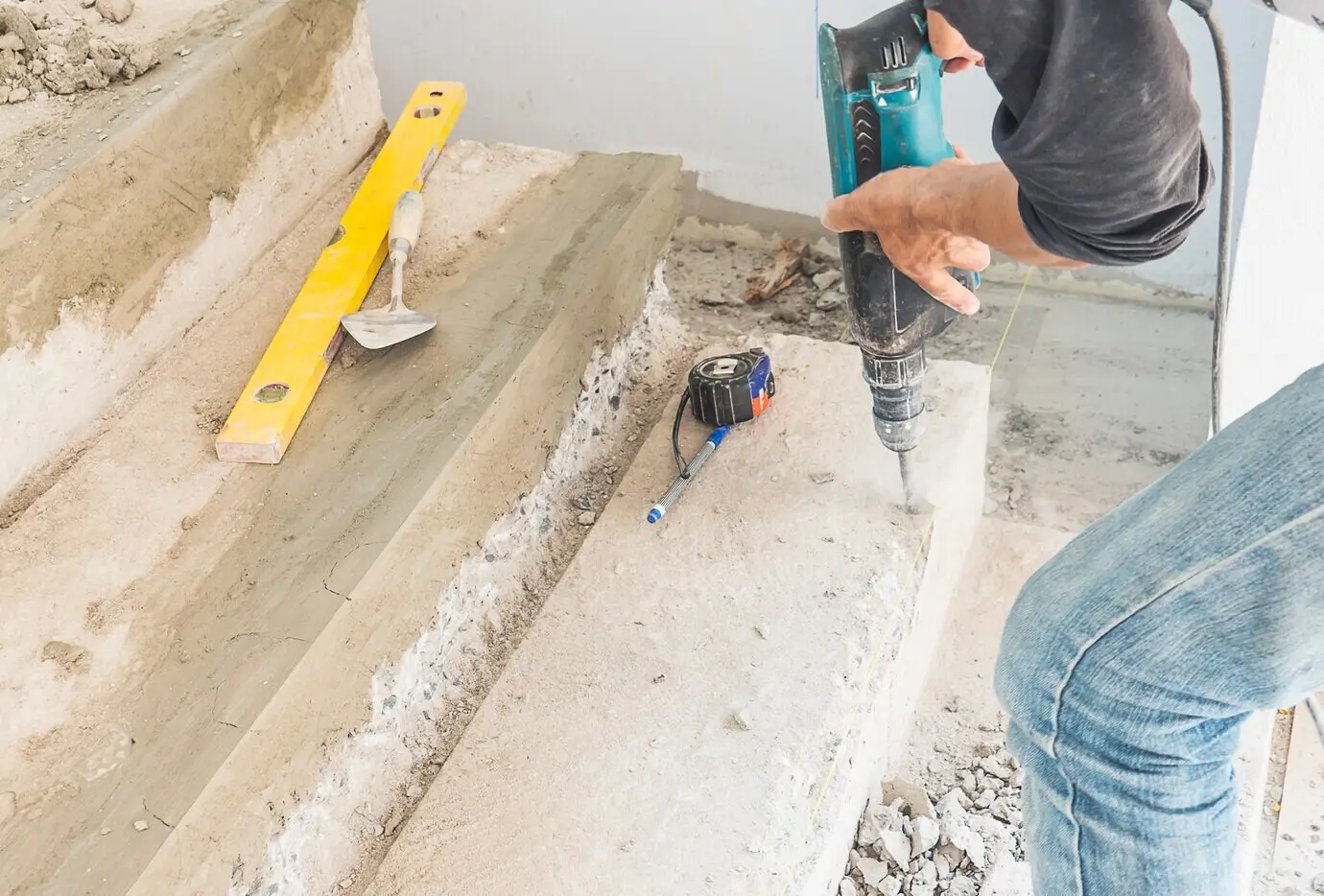
Clear, centralized communication prevents confusion during busy post-renovation weeks. Decide on a single reporting channel, adopt concise updates, and agree on response expectations. Share photos rather than long descriptions when helpful. Summarize agreements in writing so memories do not drift. If you feel overwhelmed, ask for a weekly status recap until issues taper. Respectful persistence keeps momentum without straining relationships. Remember to share positive feedback for things that went right; goodwill opens doors when you need extra help.

Budget and Risk: Guardrails for the Future

A predictable budget turns maintenance from a surprise into a routine. Set aside a small monthly reserve aligned to the value and complexity of your renovated systems. Track spend by category to spot trends early. Review insurance coverage after upgrades, confirming limits and endorsements reflect new finishes or equipment. Maintain a prioritized risk list, with water and electrical items at the top. Transparent numbers reduce stress, enabling calm decisions when the occasional repair inevitably arises.
Ellerysbookshelf
Privacy Overview

This website uses cookies so that we can provide you with the best user experience possible. Cookie information is stored in your browser and performs functions such as recognising you when you return to our website and helping our team to understand which sections of the website you find most interesting and useful.